Crown reduction in Leyton
Professional tree care for homes and businesses in Leyton

If you are looking for crown reduction in Leyton, you are probably dealing with a tree that has become too large, too dominant, or too close to the parts of your property that matter most. A tree can add character, shade, privacy, and value to a garden or frontage, but when its crown starts to spread too widely or climb too high, it can also begin to cause practical problems. That is where a carefully planned crown reduction comes in.
For local homeowners, landlords, managing agents, and commercial premises in Leyton, crown reduction is often the right balance between keeping a healthy tree and making it more manageable. Instead of removing the tree or cutting it back harshly, the work reshapes the canopy in a controlled way. The result is a lighter, better proportioned crown that suits the space around it while keeping the tree looking natural.
In a busy area like Leyton, where properties can have narrow side access, rear gardens, shared boundaries, and mature trees close to buildings, this type of service needs to be handled with care. A local tree surgery team understands the practical realities of working around terraced homes, shared drives, mixed-use properties, shops, and green spaces. If you need advice, a quote, or a visit to assess your tree, contact us today and discuss the best approach for your site.
What crown reduction actually does
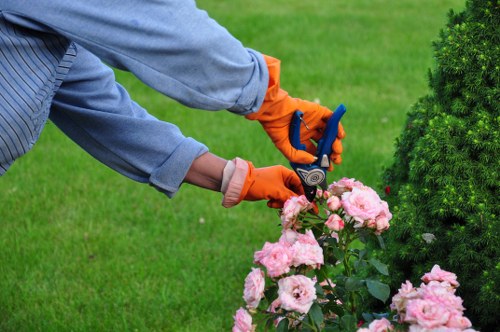
Crown reduction is the process of reducing the overall size of a tree’s canopy by shortening selected branches back to suitable growth points. The aim is to lessen height, spread, and sometimes the overall volume of the crown while keeping the tree’s shape as balanced and attractive as possible. It is a skilled form of pruning, not a rough trim.
When carried out properly, crown reduction can help bring a tree back into proportion with its surroundings. It may reduce overhanging branches above gardens, fences, roofs, or parking areas. It may also help improve light levels, reduce end-weight on extended limbs, and make a mature tree easier to manage long term.
In Leyton, where properties often sit close together and outdoor space can be limited, this service can make a real difference to how you use your garden or forecourt. It can also help where a tree is beginning to interfere with wiring, gutters, nearby structures, or the natural light entering a home or workplace. Done carefully, it should improve the tree’s relationship with the space around it, rather than simply making it smaller.
Why local customers choose crown reduction
People usually ask about crown reduction for practical reasons. A tree may be blocking light into a front room or kitchen. Branches may be brushing against a roof edge or pushing too far into a neighbouring garden. A large canopy may also create concern during windy weather, especially where branches are long, heavy, or unbalanced.
Local customers in Leyton often want a solution that preserves the tree but makes day-to-day life easier. That is one of the main reasons crown reduction is so popular. It keeps the tree in place while bringing it under better control. For many property owners, it is preferable to removal because it retains the mature landscape feature while addressing the practical issue.
There is also a visual benefit. Trees that have outgrown their setting can make a property feel enclosed or untidy. A well-executed reduction can restore scale and give the whole frontage or garden a more considered look. In conservation-minded streets, private gardens, courtyards, and shared outdoor spaces, this can be especially valuable.
How crown reduction is carried out
A careful process rather than a simple cut

A good crown reduction starts with an inspection. The tree species, condition, structure, and surrounding environment all matter. A skilled arborist will look for signs of decay, weak unions, deadwood, previous pruning, and the natural growth habit of the tree before deciding how much can be reduced safely and sensibly.
The work is then planned so the canopy is reduced evenly and with respect for the tree’s shape. Branches are shortened back to appropriate side growth or suitable pruning points. The goal is to avoid leaving the crown looking flat, lopsided, or heavily stubbed. Depending on the tree and the space available, the reduction may be modest or more substantial, but it should always remain proportionate.
During the job, the team will typically manage the branches, cut material, and debris efficiently so the site remains safe and tidy. For gardens in Leyton with difficult access, this can matter a great deal. Tight side passages, limited parking, shared entrances, and nearby neighbours all require planning. A local team used to working in the area is more likely to bring the right equipment and work method for the setting.
When crown reduction may be the right choice
Not every tree needs the same treatment, but crown reduction may be appropriate in several common situations. It is often considered when a tree has become too large for its location, when it is interfering with a building, or when it needs to be made more manageable without losing its mature character.
Typical reasons include: reducing overhanging branches, improving light, limiting encroachment toward a neighbouring property, balancing a tree after uneven growth, and making a tree more suitable for a smaller garden. It can also be useful where branches have developed long extensions that are vulnerable to movement in strong wind.
On the other hand, if a tree is unhealthy, severely defective, or unsuitable for reduction because of its species or structure, another approach may be better. That is why an honest assessment matters. A trustworthy local service should explain what is sensible for the tree, what is possible, and what the likely outcome will be before any work starts.
What is included in our crown reduction service
Customers in Leyton usually want to know exactly what the service covers. A proper crown reduction visit is about more than simply cutting branches down. It should include inspection, planning, safe carrying out of the work, and practical clean-up at the end.
Depending on the tree and site conditions, the service may include:
- Initial assessment of tree size, condition, and access
- Discussion of the reduction level suitable for the species and location
- Careful pruning back to growth points
- Balancing the crown to keep a natural shape
- Removal of cut branches and green waste
- Tidying the work area afterwards
- Advice on any follow-up tree care if needed
For larger or more awkward trees, the work may also require sectional dismantling techniques or specialist access methods. This is especially relevant in Leyton, where rear-garden access can be tight and where many properties are close to fences, garages, sheds, and neighbouring buildings. The right crew will match the method to the site instead of forcing a one-size-fits-all approach.
Why a local Leyton tree team is useful
Choosing a local company for crown reduction in Leyton has clear advantages. Local teams are more likely to understand the common property layouts in the area, the kinds of access challenges that come with terraced streets, and the need to work considerately around neighbours and passers-by.
Leyton includes a mix of residential roads, modern developments, older housing stock, and commercial premises. That means no two jobs are the same. Some trees sit in compact front gardens with no driveway. Others stand at the rear of a property where equipment has to be carried through narrow side paths. In some cases, a tree may be beside a shop, office, or mixed-use building where timing and tidiness are especially important.
Local familiarity can also help when coordinating work around road access, parking limitations, and shared boundaries. If a vehicle cannot be left outside the property, or if the job needs to be completed with minimal disruption, a local team is usually better prepared to plan around those realities. That practical awareness often makes the whole experience smoother for the customer.
Common tree types and property situations in Leyton
Every site is different

Tree work in Leyton can involve a wide range of species and settings. Mature front-garden trees may need careful shaping so they do not dominate the house frontage. Back-garden trees may be growing close to extensions, patio areas, or neighbour boundaries. Some sites have trees that have been left unmanaged for years and now need a measured reduction to bring them back into proportion.
The local built environment also matters. Leyton has many homes with limited outdoor space, and that can make branch spread a bigger issue than height alone. A broad canopy can reduce usable garden space, block views, and create excessive shade. In commercial settings, overextended crowns may interfere with signage, entrances, customer areas, or staff parking. Crown reduction can help address these concerns while keeping the tree in place.
For customers who are unsure whether reduction is the best option, an assessment can help clarify the choices. Sometimes light pruning or deadwood removal is enough. Sometimes a more decisive reduction is justified. Sometimes the tree should be left alone if it is already small, stressed, or naturally well proportioned. The right answer depends on the tree, not just the problem.
Benefits of crown reduction
Crown reduction offers a range of practical and visual benefits for Leyton property owners. It can make a tree easier to live with without removing the qualities that made it worth keeping in the first place. For many local customers, that balance is exactly what they are looking for.
Some of the main benefits include:
- Improved daylight to windows, gardens, and shared spaces
- Less overhang across roofs, fences, and neighbouring land
- A more manageable size for smaller plots
- Reduced strain on long or heavy limbs
- A tidier, more balanced appearance
- Better compatibility with nearby buildings and pathways
- Retention of a mature tree rather than full removal
It is also worth noting that the benefits are not just immediate. A well-judged reduction can set the tree up for more manageable future growth, which can reduce pressure on the owner in later years. That said, the long-term response depends on the species and the condition of the tree, so aftercare and timing matter too.
What to expect on the day
Many customers want to know how a crown reduction job will run once the team arrives. Usually, the process begins with a final check of the tree and the surrounding area. If access is tight, vehicles may need to be positioned carefully. If there are fragile areas such as sheds, glass structures, paving, or planted borders, those will be taken into account before cutting begins.
The team will then work through the canopy in a controlled way, removing selected growth and keeping an eye on the overall shape. The aim is to avoid sudden visual imbalance. A thoughtful tree surgeon will step back repeatedly during the job to ensure the crown is reducing evenly and not being cut too heavily in one direction.
Once the reduction is complete, the remaining branches and waste are normally removed from the site, and the area should be left as tidy as reasonably possible. For customers using gardens regularly, or businesses that need the exterior to look presentable, this final stage is an important part of the service.
Preparation checklist for customers
A little preparation can make the visit easier and help the job run smoothly. You do not need to do the tree work itself, but there are a few sensible steps that can help before the team arrives.
Useful preparation steps include:
- Move vehicles if access to the tree or driveway is needed
- Clear garden furniture, washing lines, toys, or pots from the work area
- Keep pets and children away from the site during the work
- Check for delicate items near the tree, such as ornaments or greenhouse panels
- Let the team know about shared access points, locked gates, or neighbour boundaries
- Flag any concerns about cables, sheds, extensions, or overhead obstacles
If you are part of a block, managed property, or commercial site, it may also help to inform any relevant neighbours or staff members beforehand. This can reduce disruption on the day and make access simpler, especially in busy parts of Leyton where parking and entry routes can be limited.
Pricing factors for crown reduction
While exact prices depend on the tree and site, customers often want to understand what affects the cost of crown reduction in Leyton. It is usually influenced by the size of the tree, the amount of work needed, the complexity of access, and the time required to complete the job safely.
Other factors can include whether the tree is near a building, whether specialist equipment is needed, whether waste has to be carried a long distance, and whether the work must be done with extra care because of surrounding features. A tree in an open garden is usually simpler to manage than one squeezed between properties or overhanging a structure.
Commercial clients may also need to consider scheduling requirements, such as completing the work outside trading hours or in a way that minimises disruption to customers and staff. A reputable local service should talk through these factors clearly so you understand what you are paying for and why the quote is shaped the way it is. Request a free quote if you want a tailored assessment based on your specific tree.
Health, safety, and tree condition
Good crown reduction is not just about looks or convenience. It must also take account of tree health and long-term structure. Over-pruning can stress a tree, so the reduction should be proportionate and suited to the species. Some trees respond well to a light or moderate reduction, while others need a more conservative approach.
Safety is equally important. Large branches carry weight, and working at height or near boundaries requires control and proper planning. For customers in Leyton, this can be especially significant where a tree sits above pathways, neighbours’ gardens, or busy access routes. The objective is to reduce risk while protecting the tree as far as possible.
If the tree has significant defects, fungal issues, or weak major limbs, the assessment should account for that. In some cases, crown reduction can help reduce load on a stressed structure. In others, the tree may need a different kind of intervention. Honest advice matters more than pushing for work that is not in the tree’s best interests.
Residential crown reduction in Leyton
Many of our enquiries come from homeowners who need more light, more space, or a tidier outlook. Residential crown reduction is often requested for trees in front gardens, rear gardens, and side returns where the canopy has become too dominant for the plot.
For family homes, the practical benefits can be immediate. You may get more daylight in the morning or afternoon. You may regain usable space in the garden. You may also reduce the amount of leaf fall or branch encroachment affecting paths, patios, or sheds. In smaller outdoor spaces, even a modest reduction can make the whole property feel more open.
Because Leyton has a wide mix of housing styles, residential tree work often requires a flexible approach. A good local team will understand how to work respectfully in tight streets, keep noise and disruption to a minimum, and handle waste removal with care. That combination of skill and local practicality is what most householders are really looking for.
Commercial crown reduction in Leyton
Businesses, landlords, and property managers may need crown reduction for different reasons. Trees around commercial premises can affect signage, loading areas, customer parking, security lighting, entrances, and the overall appearance of a site. Overgrown branches can create a tired or neglected impression even when the building itself is well maintained.
For commercial customers in Leyton, timing and site coordination are often just as important as the tree work itself. A local contractor may be able to plan the job to fit around opening hours, deliveries, or staff movement. This is especially useful for retail units, offices, hospitality settings, schools, nurseries, and managed residential blocks.
Where a property has several trees or a larger landscaped area, crown reduction may be part of a broader maintenance plan. This can help keep trees looking consistent across the site and reduce the chance of urgent issues later on. If your premises need a one-off job or ongoing care, book your service now to arrange an assessment that suits your schedule.
Areas covered around Leyton
Customers in and around Leyton often need local tree services that can reach them quickly and work efficiently in the surrounding neighbourhoods. Crown reduction is commonly requested across nearby areas where residential streets, gardens, and mixed-use properties all create different tree management needs.
Areas typically served can include:
- Leyton
- Leytonstone
- Walthamstow
- Stratford
- Hackney Wick
- Forest Gate
- Clapton
- Homerton
- South Woodford
- Wanstead
Choosing a nearby team can make planning easier, especially if access is awkward or the job needs to be scheduled efficiently. It also helps when you want someone who understands local streets, local property layouts, and the reality of working in a well-used urban area.
Frequently asked questions
How much of the crown can be reduced?
The right amount depends on the species, the health of the tree, and the space around it. A reduction should be proportionate and based on what the tree can tolerate. The goal is to improve the situation without leaving the tree stressed or badly shaped.
Will the tree still look natural?
It should. A careful crown reduction is designed to preserve a natural outline rather than creating a harsh or topped look. The appearance after the work will depend on the tree and how much reduction is needed, but a skilled arborist should always aim for balance.
Is crown reduction the same as tree topping?
No. Tree topping is a severe and generally poor-practice cut that can leave the tree disfigured and vulnerable. Crown reduction is selective and controlled, using proper pruning points to maintain the tree’s structure as much as possible.
How often will the tree need attention again?
That depends on the tree’s growth rate, species, and location. Some trees remain manageable for several years after a reduction, while others regrow more quickly. Your arborist should be able to suggest a sensible future review period if one is appropriate.
Do I need permission for crown reduction?
Some trees may be protected by a Tree Preservation Order or be located in a conservation area. If that applies, permission rules may affect the work. It is important to check before proceeding. A local professional should be able to help you understand whether any restrictions may apply to your tree.
Why choose us for crown reduction in Leyton
When you are choosing someone for crown reduction in Leyton, you want more than a quick cut and a tidy-up. You want a team that understands the tree, understands the property, and understands the practicalities of working locally. That includes access limitations, neighbour considerations, site safety, and the look of the finished result.
Customers often value a service that is straightforward, responsive, and clear about what is involved. That means explaining the likely outcome, discussing the right level of reduction, and being honest if another type of tree care would be more suitable. It also means turning up prepared, working carefully, and leaving the site in good order.
Whether you are dealing with a tree that has become too big for a back garden, a canopy that is blocking light, or branches that are reaching too far over a boundary, a local team can help you make the right decision. If you are ready to move forward, contact us today for a tailored quote.
Final thoughts
Crown reduction is one of the most useful tree services for property owners in Leyton because it solves real everyday problems without automatically removing a mature tree. It can create more light, improve balance, reduce overhang, and help a tree fit better into a busy urban setting. For many homes and businesses, that makes it an ideal middle ground between doing nothing and removing the tree completely.
If you are noticing that a tree is getting too large, starting to interfere with your property, or simply not sitting well in the space anymore, it may be the right time to have it assessed. A careful, local approach will take into account the tree’s condition, the site layout, and the practical needs of everyone who uses the space.
Request a free quote and arrange a visit for crown reduction in Leyton that is planned around your tree, your property, and your needs. If you would like the crown reduced professionally and responsibly, book your service now and take the next step toward a safer, tidier, better proportioned tree.